
Dhruvi Modi
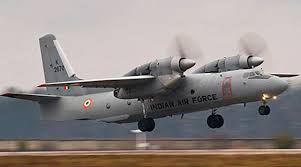
The IAF AN-32 aircraft that went missing on 3 June, 2019 in Arunachal Pradesh was found yesterday by a 15-member rescue team assembled for this search operation. Earlier in the day, it was confirmed by eight members of the team that all 13 passengers of the AN-32 aircraft were found dead. In addition to the wreckage, the team also retrieved the Black box from the site of the crash which will help in further investigation in ascertaining the cause of the crash. The team, consisting of both IAF personnel and civilians, found the wreckage of the aircraft on Tuesday by an IAF chopper, which was 12,000 ft near the Gatte village, on the borders of Siang and Shi-Yomi districts, around 8 days after the crash occurred.
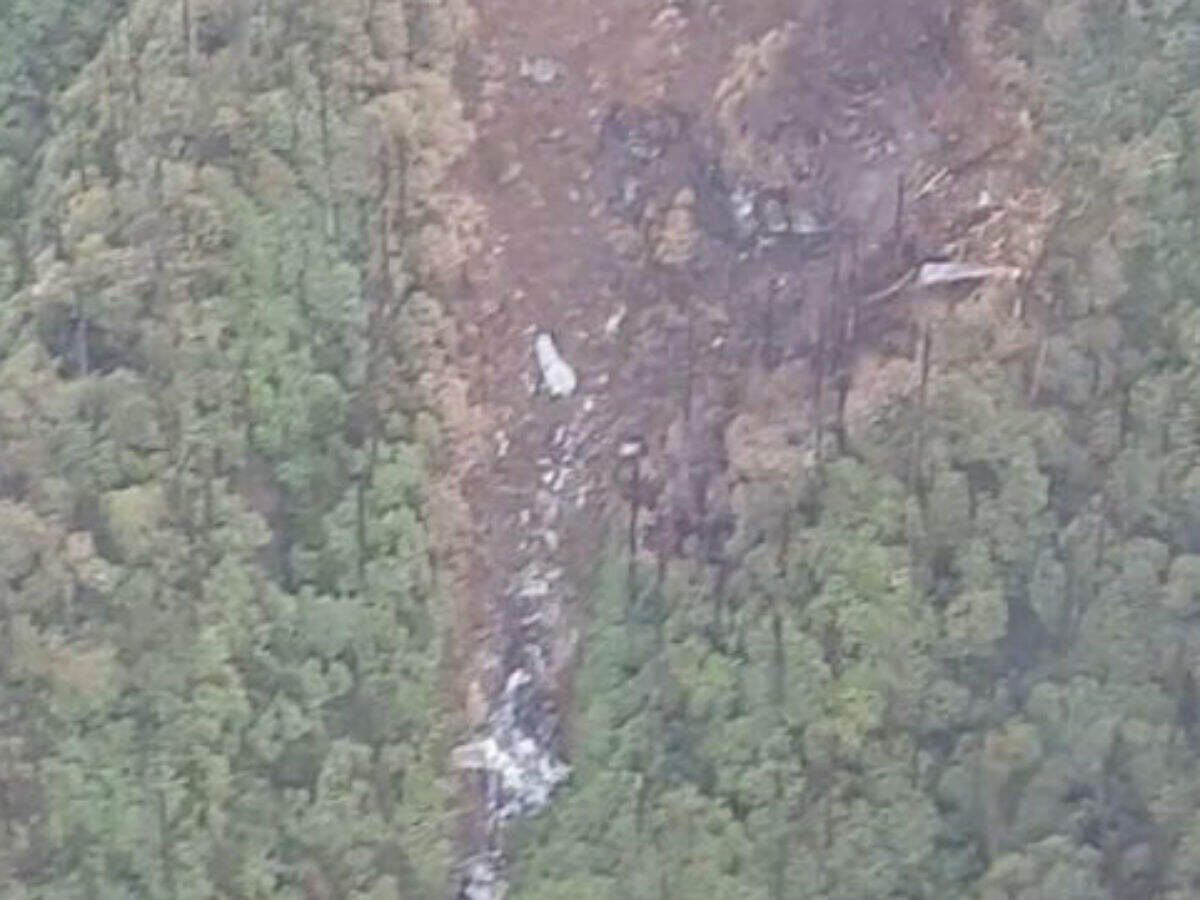
The plane, which took-off from Jorhat, Assam, was supposed to land at Menchuka went missing and was found in a heavily forested mountainous terrain in Arunachal Pradesh. The plane was said to have disappeared half an hour after it took off. However, this is not the first time that the IAF AN-32 crashed. This is the fifth time that we are witnessing this particular model of aircraft see such a fate.
25 March, 1986
The first time the AN-32 crashed was in 1986, where the aircraft disappeared over the Arabian Sea. The plane was a on a three-aircraft ferry-flight with seven people on board. The last contact with the plane was made one hour, 18 minutes after it took off. However, the aircraft was not traced, and the people were assumed dead after a search operation failed to locate it. The aircraft had taken off from the then Soviet Union to Jamnagar, in the state of Gujarat in India via the Moscat-Seeb Airport in Oman.
15 July, 1990
Almost five years after the first time the IAF AN-32 crashed, a similar incident occurred again on 15 July, 1990. This time around, there were five people on board, and they all succumbed to the crash. The routine flight took off from Tambaram in Chennai at 9am and reportedly lost contact after 10am. The plane, en route Thiruvananthapuram, crashed in the Ponmundi Mountain Range in Kerala. There were reports at the time that stated that the officials in charge of the search and rescue operation did not reveal much information on the crash.
10 June, 2009
This crash took place after almost two decades, on 10 June, 2009. This particular crash was very similar to the one that took place last week. The plane, in 2009, crashed in Arunachal Pradesh, over the Rinchi Hill above the Heyo village, killing all the 13 people on board. The cause of this particular crash was ascertained to be due to human error (aircrew); with the aircraft hitting a mountain, after the pilot was said to have been disoriented, once entering the clouds. It was only after this crash that the Indian government made the decision to renew the models, in order to avoid the same fate for the future of the Indian Air Force. Unfortunately, as we are seeing now, that did not help.
22 July, 2016
The IAF AN-32 that crashed on this day was never located. However, it was reported that the twin engine turbo top disappeared while it was in the air, above the Bay of Bengal. The plane that had taken off from Tambaram in Tamil Nadu, was scheduled to land at Port Blair, Andaman and Nicobar Islands, had 29 passengers on board, which were all presumed to be dead. As compared to the earlier crashes, this plane had the most number of passengers, and also the largest search party. The rescue operation was conducted using one submarine, 12 surface vessels, and five aircrafts. However, the operation was called off on 15 September, 2016, as the team was unable to locate the aircraft as well as the passengers on board.
History of the Antonov-32 (AN-32)

Initially, the Indian Air Force has over a 100 AN-32s, bought from the then Soviet Union between 1984 and 1991, which were manufactured in Ukraine. After the numerous mishaps of this particular model of aircraft for the IAF, India made a $400 billion deal with Ukraine to upgrade the fleet’s life extension from 25 years to 40 years.
The upgrade of the 30-year-old fleet was set to have its extension period with an improvement in the avionics, a modernized cockpit to make communication better in the case of the aforementioned events, and an increase in the payload of the aircraft from 6.7 tonnes to 7.5 tonnes.
The project was set to be completed in 2013, but was severely affected by the bilateral problems between Russia and Ukraine over the Crimean Peninsula. The supply of spares, components and kits was massively hit, and there were also allegations of defective parts and spares being supplied for the AN-32 planes for the IAF.
Even though the IAF tried to make the AN-32 more efficient by adding the upgrades mentioned, only 54 of the 99 aircrafts actually received the changes. Unfortunately, the aircrafts that crashed over the years, including the one last week, were from the 45 which did not get upgraded. The cannibalization of this model of aircraft has made only 60 percent of the actual number of aircrafts available for missions and has put a great deal o strain on them.
What we do not know is the reason behind the crashes of this particular model. Since only the earlier models of the planes are upgraded, and there has been no talk of the manufacturing of newer models, one can say that the cause of the crashes can be the lack of newer, more efficient planes. It can also be attributed to the supposed ‘ignorance’ of the officials, either in taking initiative to appeal for newer models, or even just rectify for any fault in the mechanism of the planes.
 News Now Chennai